Description
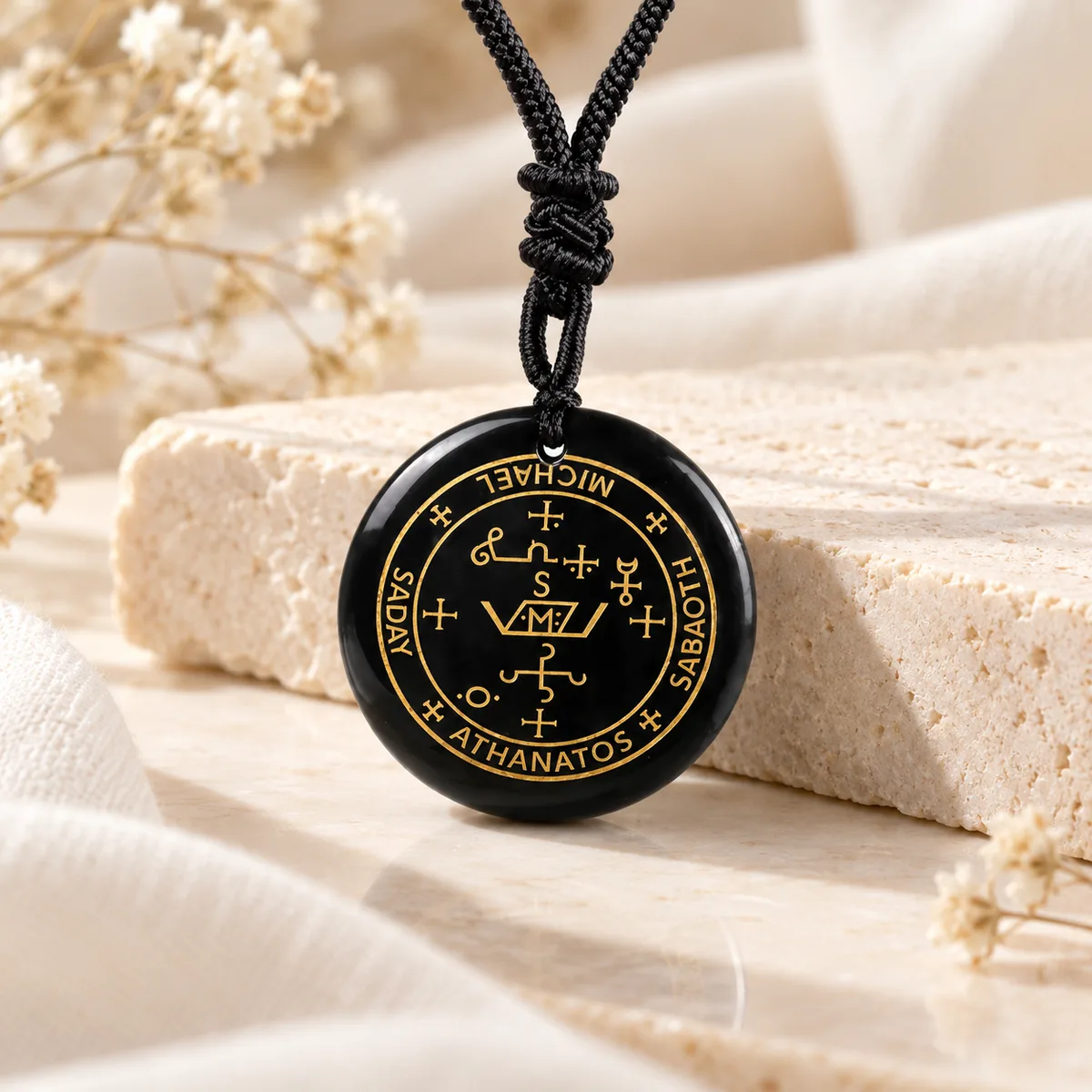
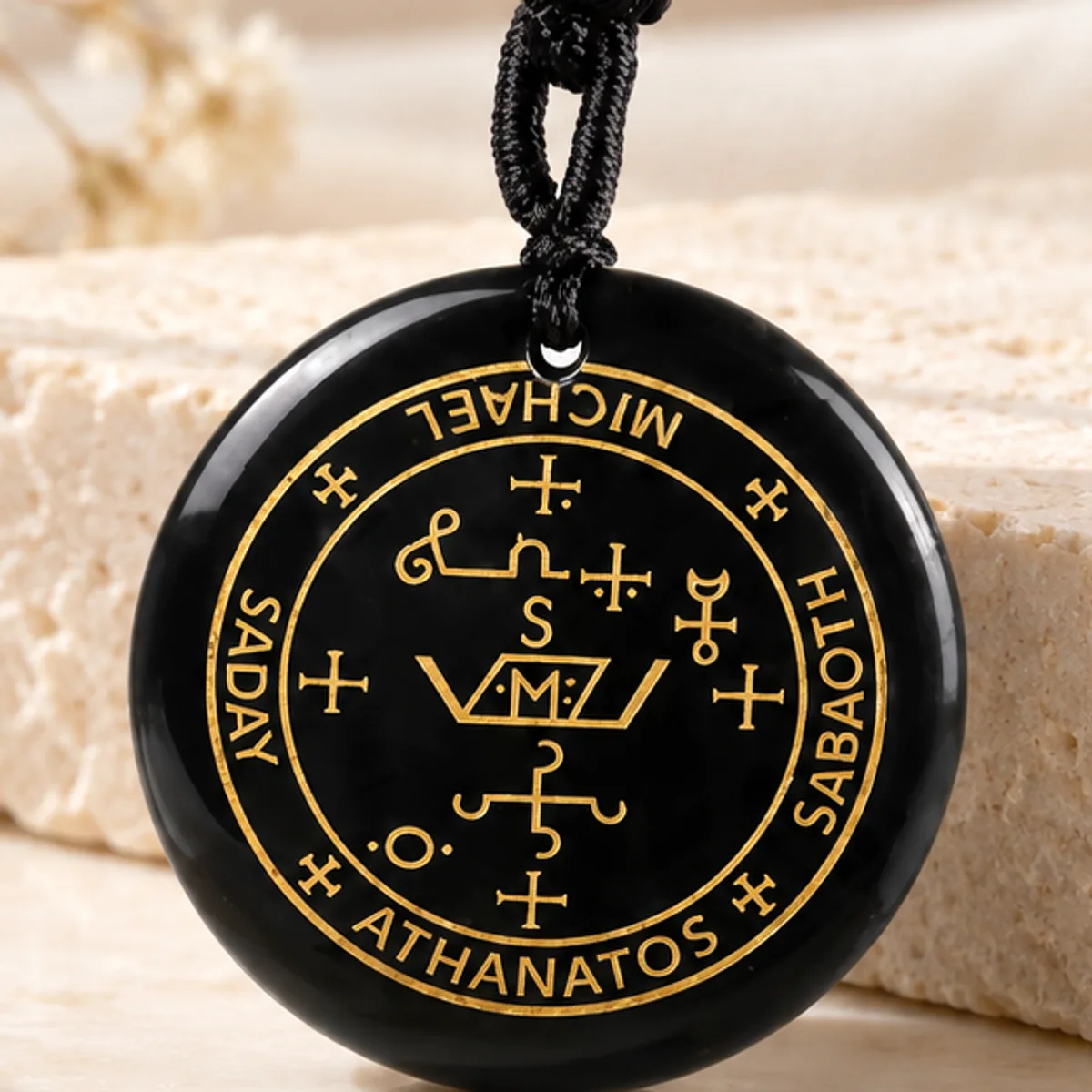
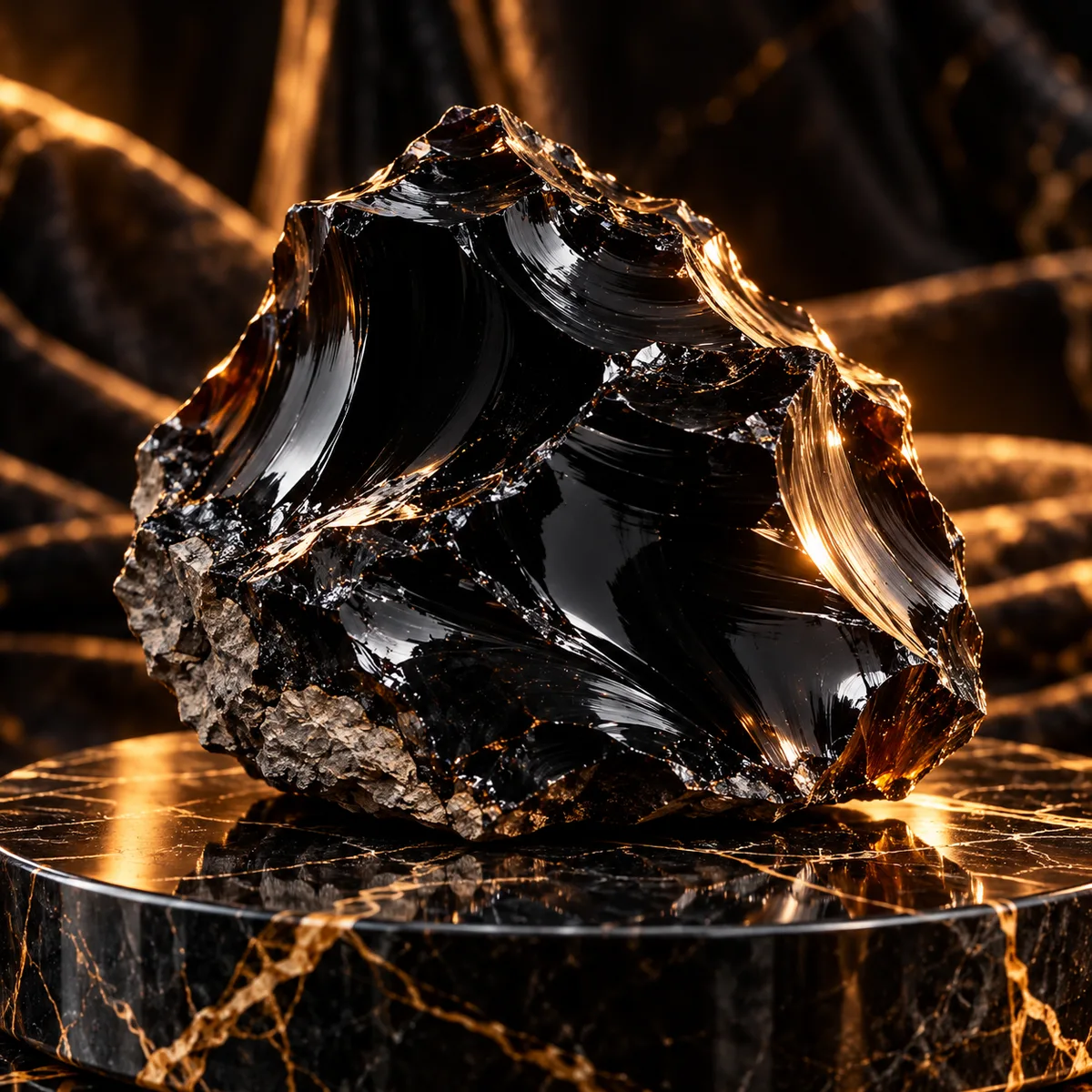
An obsidian disc engraved with a seal: a central figure surrounded by a ring of names, MICHAEL, SADAY, ATHANATOS, SABAOTH, highlighted in gold. It is a figure from the grimoire tradition, reproduced as it appears in the manuscripts.
These seals come from a family of texts called grimoires, the best known being the Key of Solomon and its derivatives, copied in Europe from the sixteenth to the eighteenth century and then printed in the nineteenth. The engraved names mix Latinized Hebrew divine appellations, Saday and Sabaoth, a Greek word, Athanatos, which means immortal, and the name of the archangel Michael. That linguistic mixture is characteristic of these manuscripts and makes it possible to date them.
I reproduce the figure, I do not comment on it and I credit it with no effect. It is an object of historical curiosity for some, an object of devotion for others, and a jeweler’s role is neither to settle that nor to sell a promise. What I can guarantee concerns the engraving: the characters are faithful to the source, in the right order, and not an invented decoration that merely looks like Latin.
The reservation is the gold highlight. The gold is not cast into the engraving, it is a surface fill, and on a disc worn against clothing it will wear first on the letters at the edge, the most exposed. Count on two or three years before some of them turn black again. The engraved line itself stays and the text remains legible: it is the fill that goes, not the engraving.
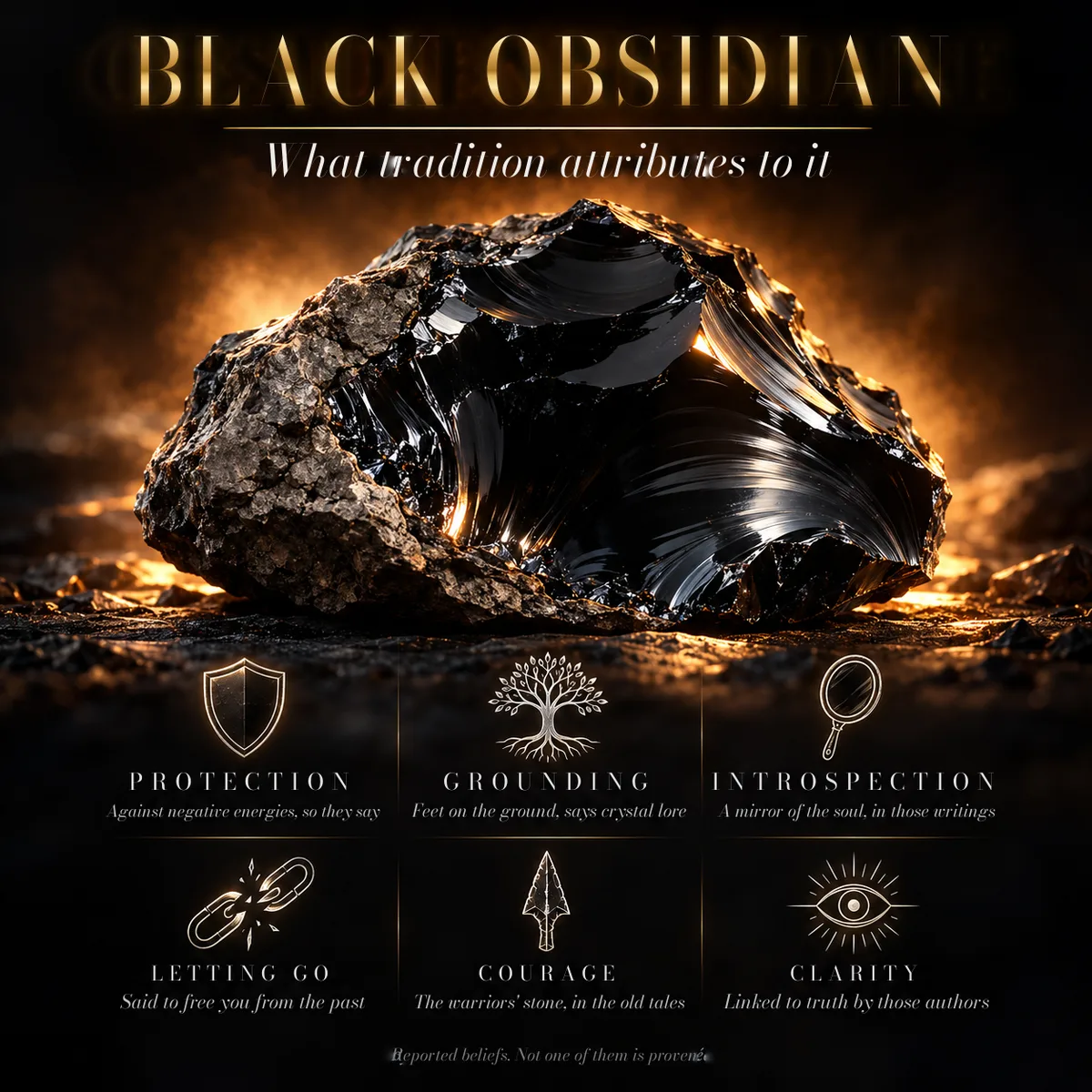
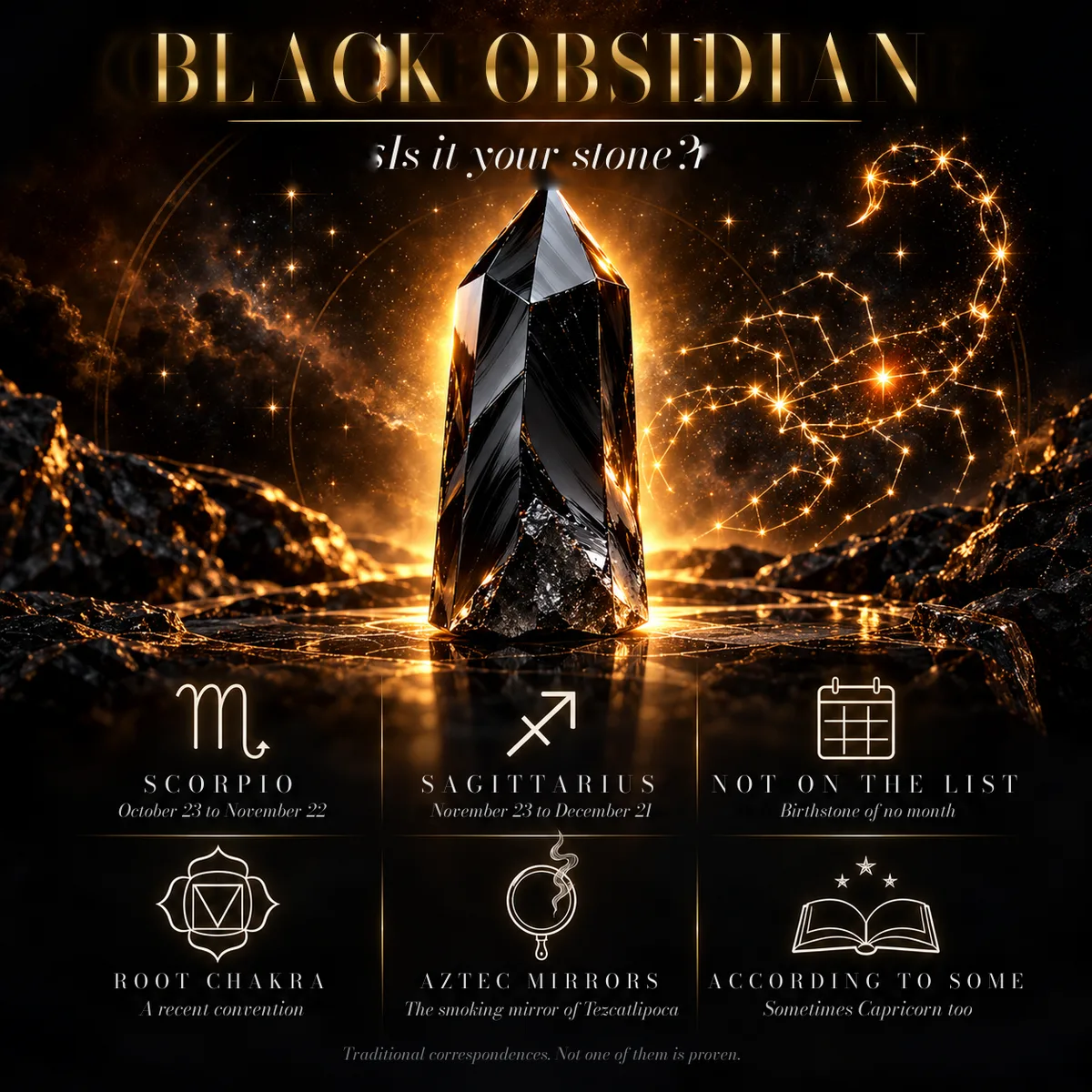
Crystal lore ties obsidian to grounding, and the history of learned magic long used black mirrors. None of that is proven, no object protects from anything, and no piece of jewelry heals anything. I have gathered separately what tradition attributes to obsidian, in the conditional from start to finish.
- Genuine black obsidian, engraved disc highlighted in gold.
- A figure reproduced from the grimoire tradition, characters faithful and in the right order.
- No effect promised: the page places the object, it does not tout it.
- Adjustable braided black cord, no metal clasp.
What to know before you wear it
 |  |  |
The specifications
- Stone
- Black obsidian, volcanic glass
- Shape
- Engraved disc, hollows highlighted in gold
- Diameter
- About 1 3/8 in (35 mm)
- Inscriptions
- MICHAEL, SADAY, ATHANATOS, SABAOTH
- Setting
- None, stone drilled and knotted
- Cord
- Braided black cord, adjustable length
- Gender
- Unisex
- Brand
- Bijoux Obsidienne

Engraving a ring of text without it looking skewed
Engraving a ring of text around a disc raises a problem straight engraving does not have: legibility depends on the orientation of each letter relative to the radius, not to the edge. A letter aligned on the tangent looks tilted as soon as you move away from the middle of the word, and a ring of twenty characters engraved that way gives the impression of text sliding off. So every letter is turned individually to stay perpendicular to the radius. It shows when it is done badly, and not at all when it is done well.
This piece is in the catalog because people ask me for it and there is no reason to refuse an object of tradition as long as I promise nothing about it. I simply insisted on writing down where the figure comes from, which is almost never done on this kind of product. The other pendants are here and the obsidian guide explains the stone.
Every letter is turned to stay perpendicular to the radius. Otherwise the ring of text looks as if it were sliding off.
Obsidian does not mind water, but the gold highlight in the hollows comes off with an abrasive cloth or a brush. A soft dry cloth is enough, never an ultrasonic bath. Cleaning an obsidian piece covers the rest.